
Measuring Guide
Getting accurate window measurements is crucial for complete blackout.
We’re here to assist you at every step, so you can measure with confidence.
Measure together with our team
Safeguard your order
Hire an expert for assistance
Locate assistance available in your region
Have questions?
Schedule a complimentary consultation

THE BLINDMASTER FIT GUARANTEE
Purchasing custom blinds online should be simple and hassle-free.
That’s exactly what you’ll experience with BlindMaster.
Free Measurement Guarantee
30-Night Home Trial
Free Pickup Returns
Outfitting Multiple Windows
Not sure if your window is compatible?
What you will need
Steel tape measure for accurate measurements
Pen and paper for noting your measurements
A friend to help with measuring
Step 1: Ensure a Clear Recess
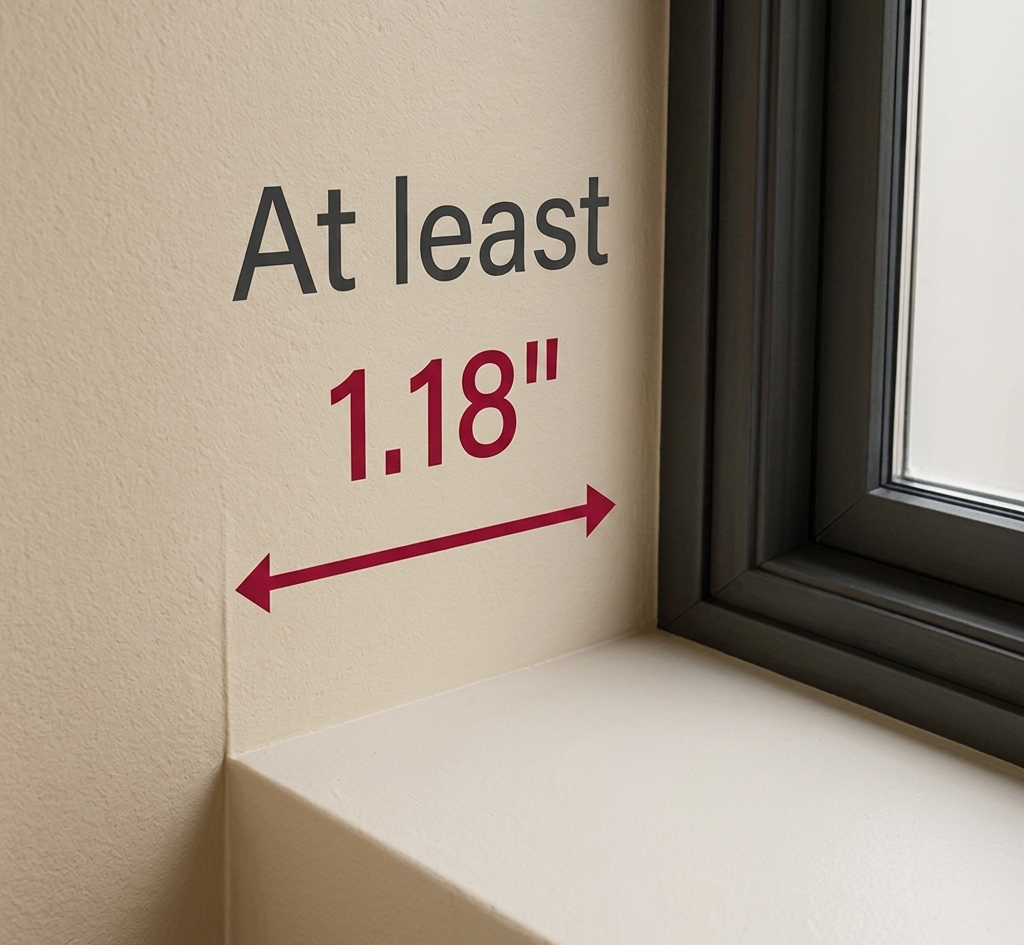
Make sure there are no obstructions—such as handles, locks, or tiles—within the window frame. At least 1.18″ (3 cm) of unobstructed, flat space is required for an optimal fit.
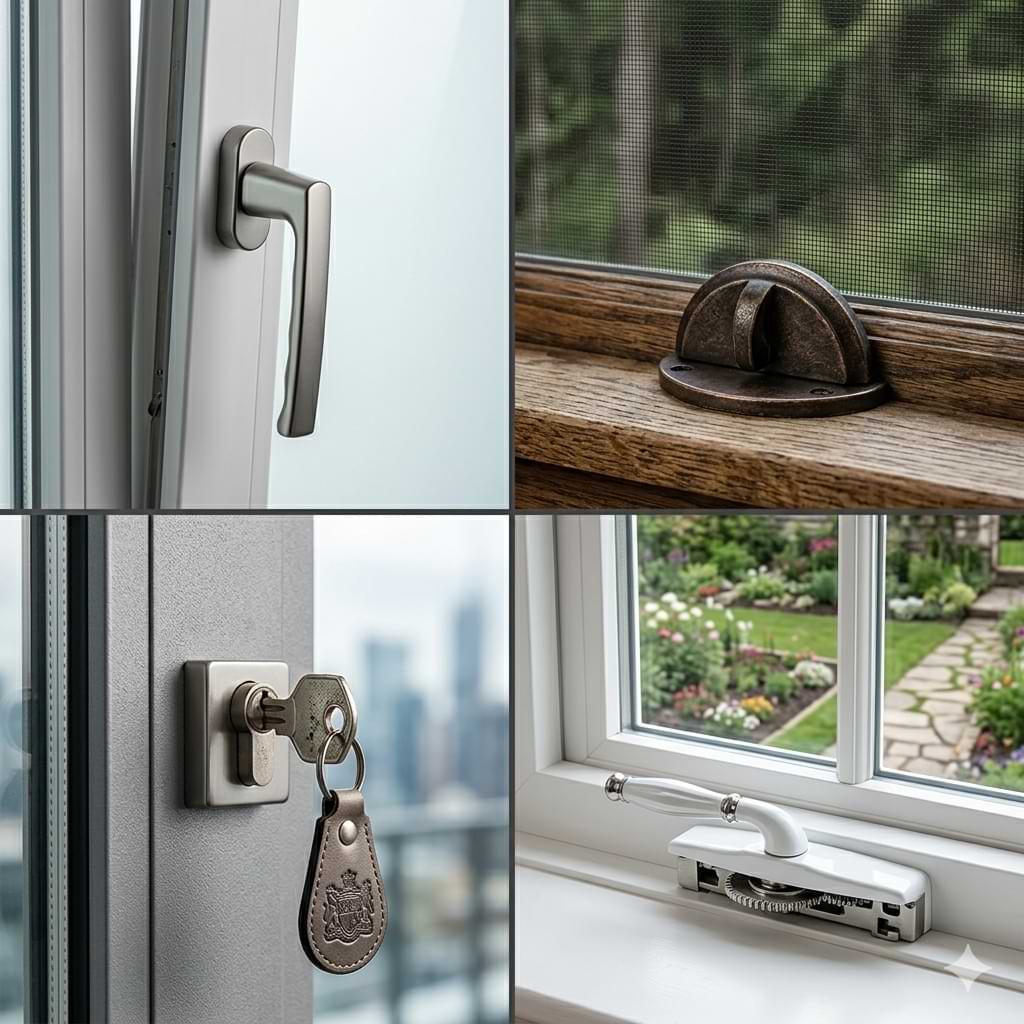
Check for any obstructions
Typical obstructions inside your window recess may include:
- Window handles
- Latches
- Locks
- Winders or cranks
How to Measure a Window with an Obstruction
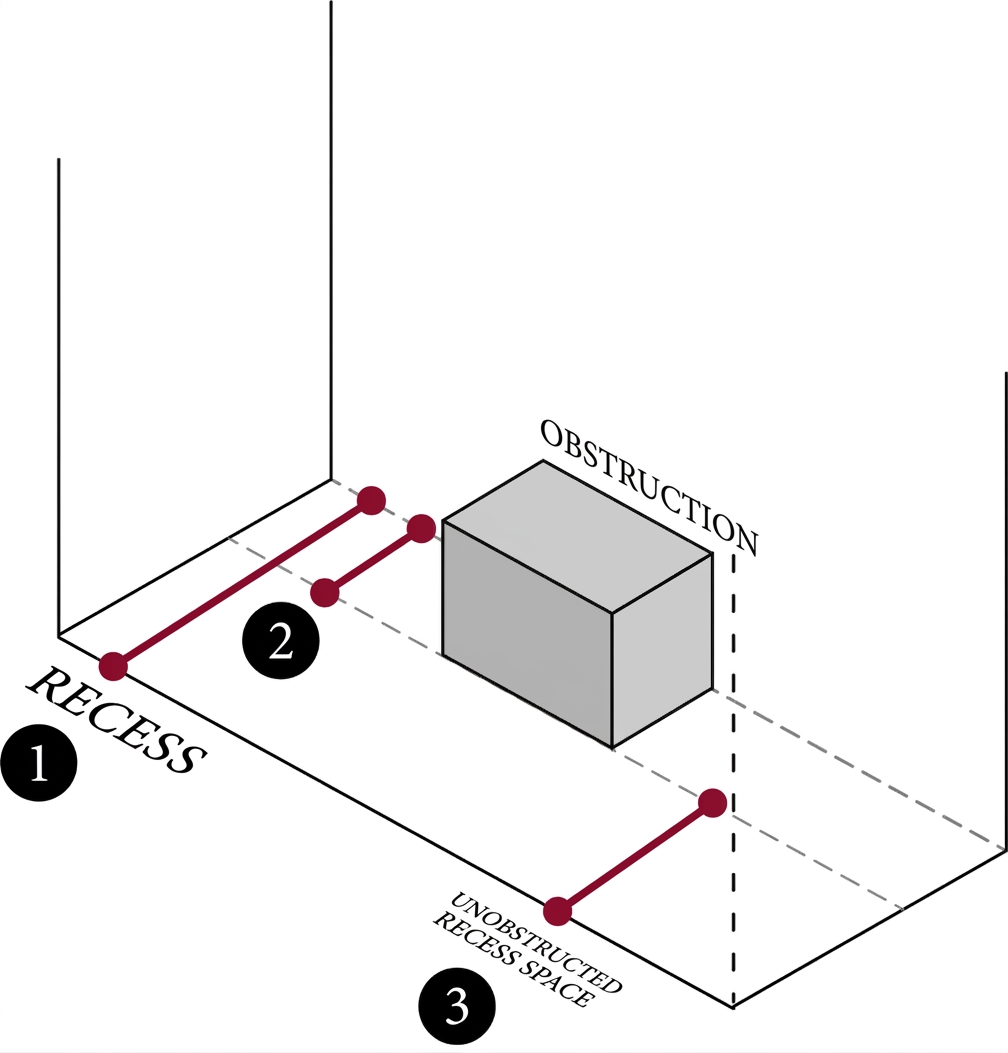
Step 1: Measure the Total Recess Depth
Using a tape measure, start at the front edge of your window frame (where the blind will be mounted) and measure straight back to the glass.
Step 2: Identify and Measure the Obstruction
📏 Measure from the same front edge to the front of the obstruction.
Step 3: Determine the Usable Recess (Unobstructed Depth)
Subtract the depth of the obstruction from the total recess depth to find the usable space for mounting your blind.
Step 2: Measure the Height
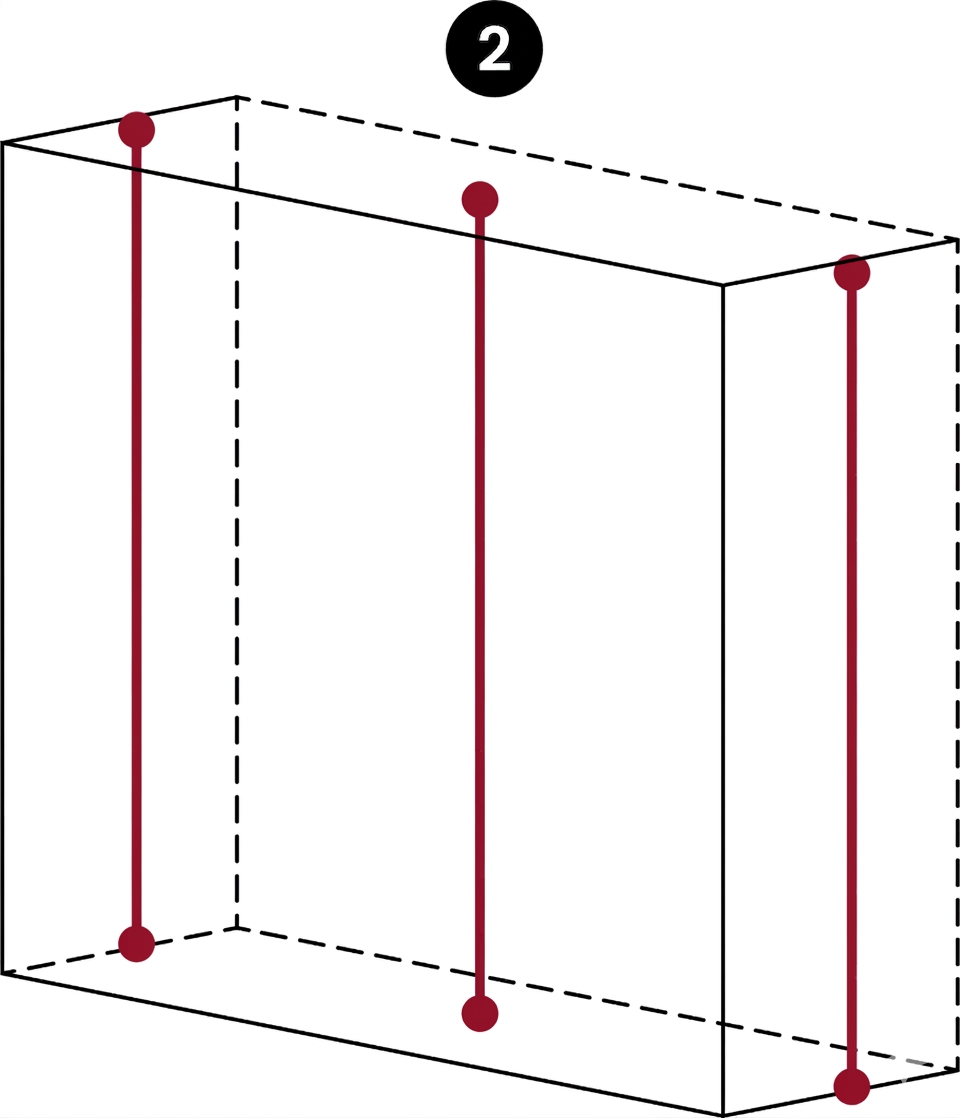
Left Side:
Place your tape measure at the very top inside the frame and measure down to the sill (or to where you want the blind to end). Note this measurement.Middle:
Repeat the measurement down the center of the window.Right Side:
Measure from the top inside edge to the sill on the right side.Use the Longest:
Choose the longest of the three measurements to ensure your blinds fully cover the window height.
Step 3: Measure the Width
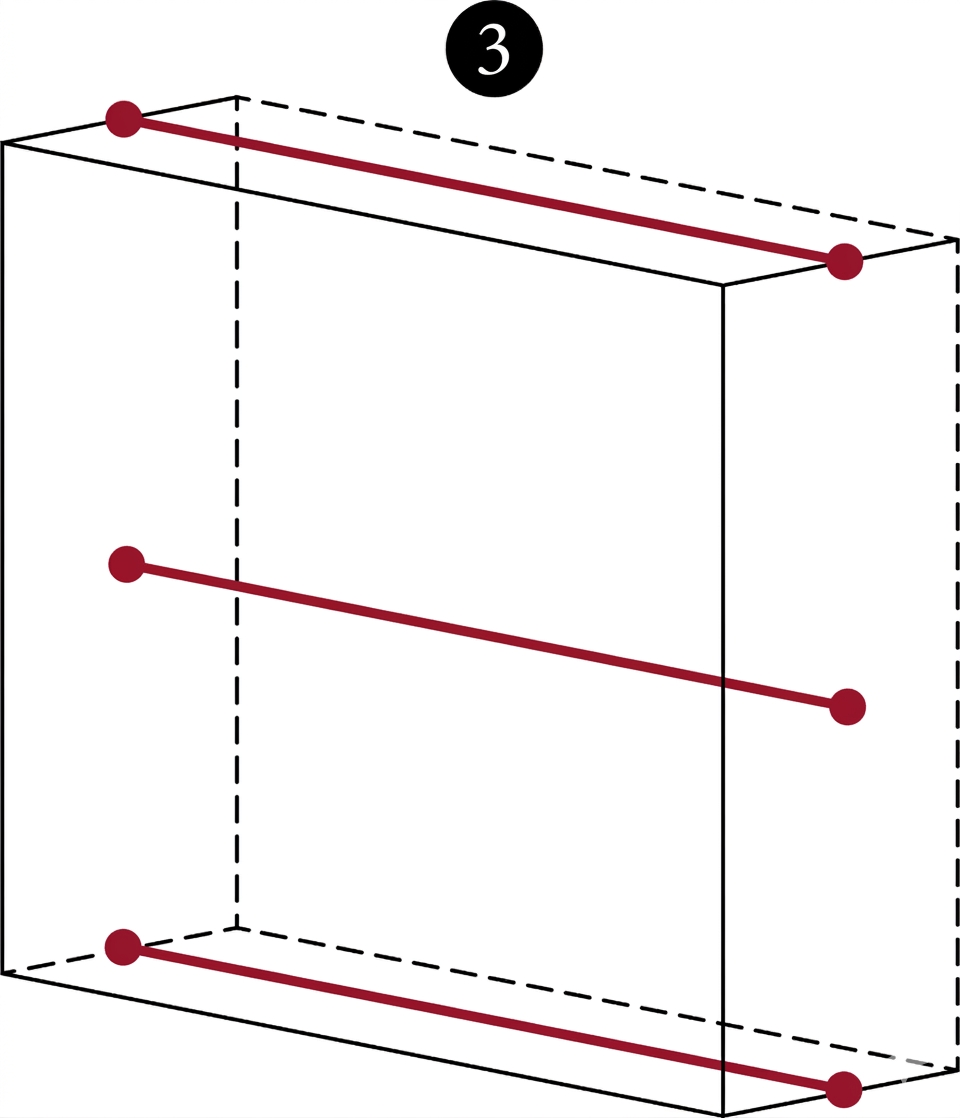
Top:
Place your tape measure inside the window frame at the very top and record the exact width from one side to the other—don’t round up or down.Middle:
Measure across the center of the window frame and note the precise width.Bottom:
Repeat the measurement at the bottom inside edge of the frame.Use the Smallest Measurement:
Select the smallest of the three measurements. This ensures your blinds fit perfectly and won’t rub or get stuck.
Steer clear of common measuring errors
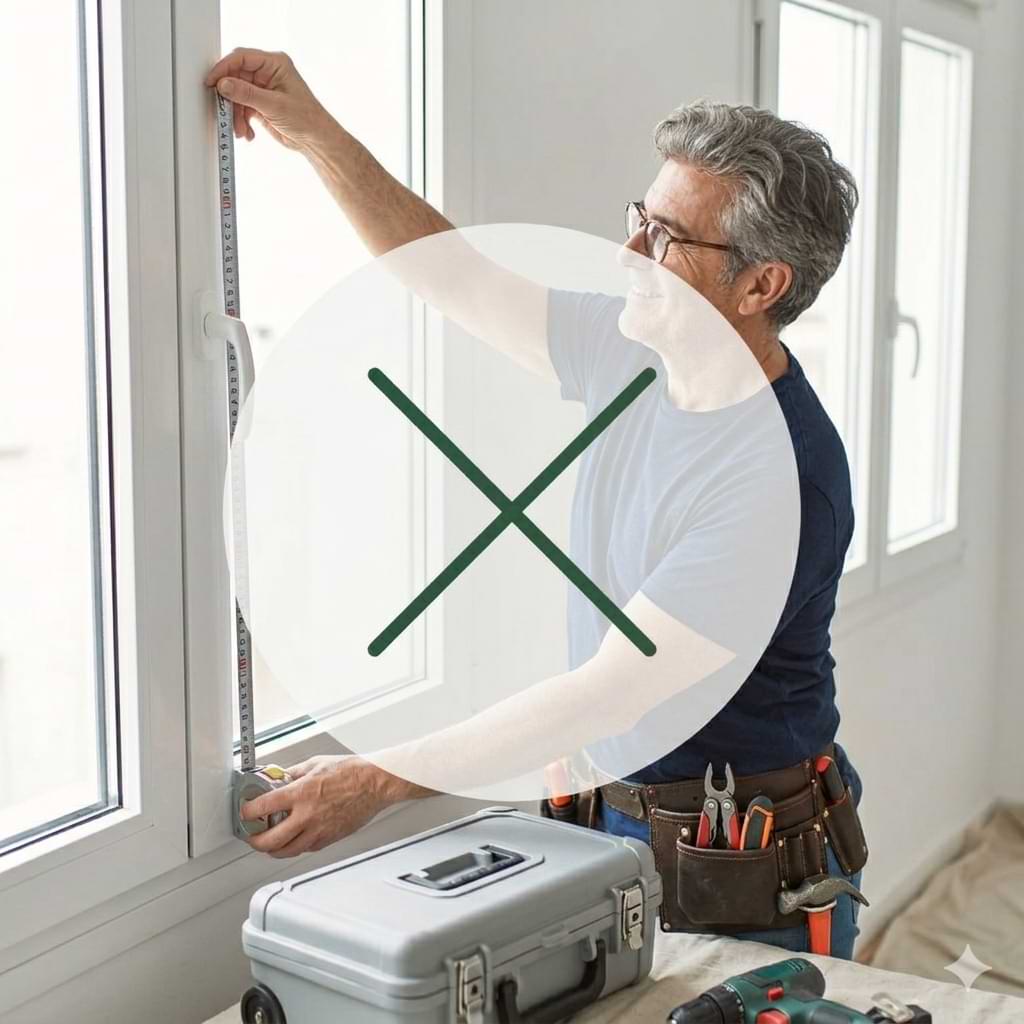
For the most precise measurements, be sure to avoid these common mistakes:
- Measuring at an angle: Always keep the tape measure straight and level.
- Bending the tape: Ensure the tape remains flat and unbent for accuracy.
- Incorrect rounding: Round to the nearest tenth of a centimeter for best results.
Final Tips for Precise Measurements
- Be precise: Always provide exact measurements, rounding to the nearest tenth of a centimeter if necessary. This ensures the best possible fit.
- Let us handle the adjustments: Submit the precise width and height, and our team will make any necessary deductions during production.
- Measure at the front of the recess: This is where the BlindMaster will be installed, so it’s important to measure at this exact depth.
- No worries about uneven windows: BlindMaster is designed to accommodate up to 0.39 in (10 mm) of unevenness, thanks to the integrated weather strip and brush strip. And if the fit still isn’t perfect, you’re protected by the BlindMaster Fit Promise.